

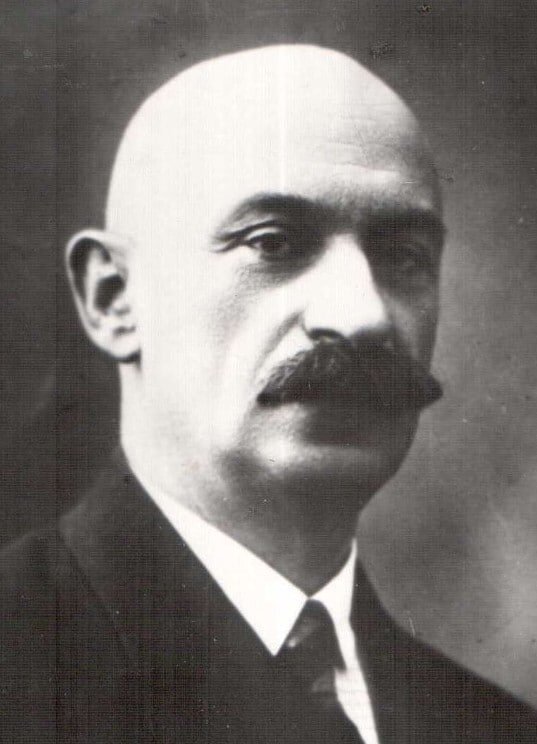
In the galaxy of outstanding Russian surgeons Nikolai Alekseevich Bogoraz (02/13/1874 – 07/15/1952) holds a special place. A major experimenter and an original surgeon-innovator, a man who defeated a serious illness, an active public figure, a prominent teacher, he created a well-known school of surgeons in the country and made a great contribution to Russian science.
N.A. Bogoraz studied medicine and began his professional career in the last decade of the XIX century. In surgery, this period was marked by the fact that electric lights appeared in the operating rooms and with the introduction of pain relief methods, the heart-rending screams of the operated disappeared.
Being a pupil of Russian hospital clinics, Nikolai Alekseevich, in his teaching activities, adhered to the Pirogov covenant to emphasize the individual in a mass of identical painful cases, which can be accomplished only by widely involving students in work in wards, dressing rooms, operating rooms, and patient supervision. He developed a set of surgical techniques by which cripples crawling on the ground rose and learned to walk, the so-called lifting of crawlers.
It is necessary to emphasize the great role played by N.A. Bogoraz in the development of reconstructive surgery of the skull, face, ear, jaws and skin grafting. Bogoraz and his students widely used the Filatov stem and loose flaps during various plastic surgeries, replacing scars and various skin defects, brightening up the appearance of a disfigured face and other parts of the body.
Since 1906, the Tomsk period of his activity begins. At the age of 32, N.A. Bogoraz began working at the Hospital Surgery clinic of Tomsk University under the supervision of Professor Platon Ivanovich Tikhov.
Having survived several wars, N.A. Bogoraz made a significant contribution to military traumatology.
Nikolai Alekseevich is interesting as a person, as a man who entered into a single combat with fate and defeated it. The normal rhythm of Nikolai Alekseevich’s life was interrupted by the tragic event of 1920, which became a serious test of his will and character. He was in a hurry to get a consultation at the hospital, jumped into a crowded tram car and fell off, hitting both feet under the wheels of a trailer car. After this injury, N.A. Bogoraz lost both legs, but he did not stop his scientific and practical activities.
The surgeon’s job is to stand for hours at the operating table. Healthy legs get tired over the years, their diseases are considered professional diseases of surgeons. To return to the profession of a surgeon, having lost his legs, is a truly great human feat. After 2 weeks, Nikolai Alekseevich makes a detour, or rather, a detour on a gurney, of all the patients of the clinic. And 6 months after the severe injury, he performed the first operation while standing at the operating table.
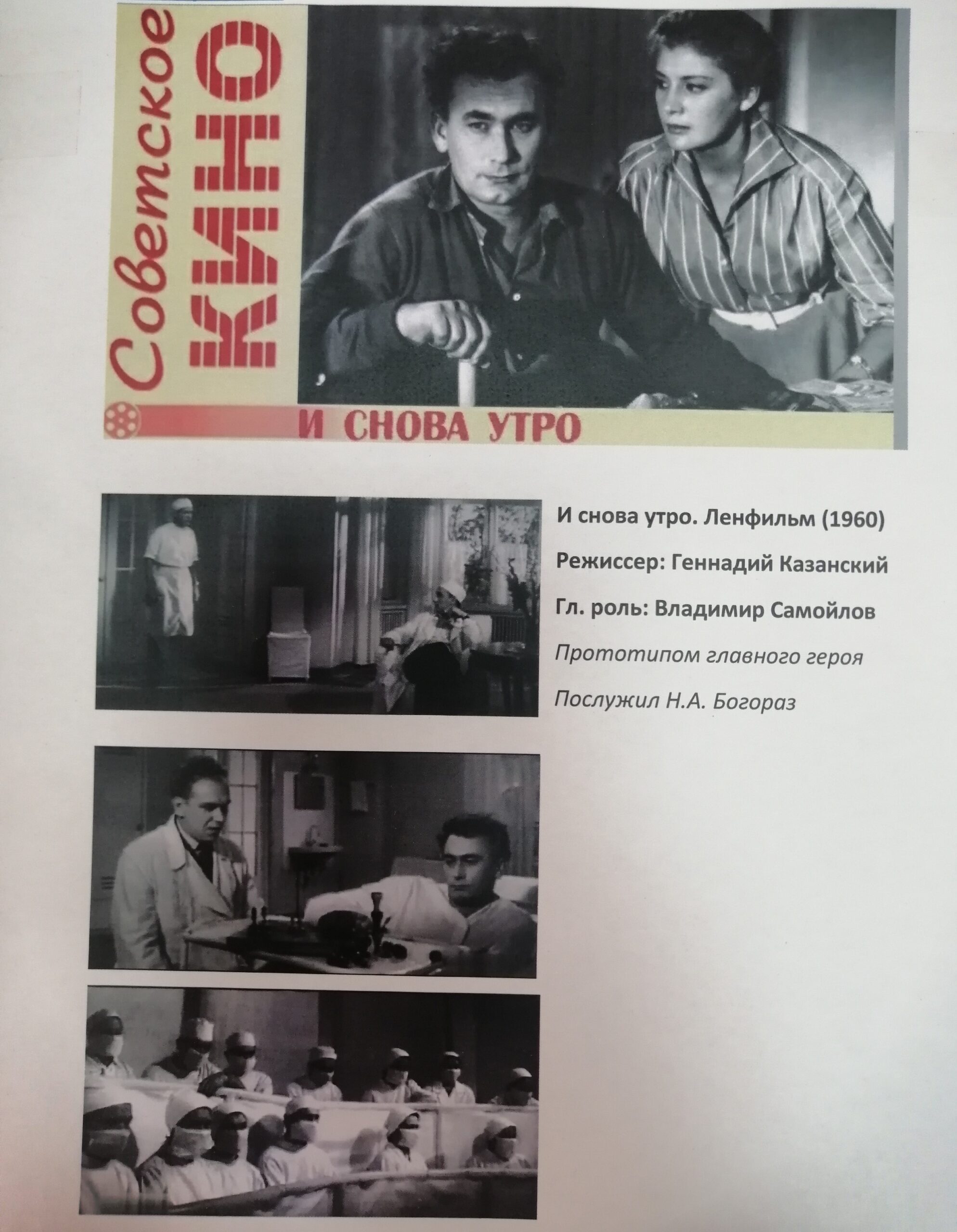
The tragic event gave N.A. Bogoraz a heroic aura to his personality, and his name was overgrown with legends. In 1960, the feature film “And morning again” was shot, about a legless surgeon who defeated his illness. N.A. Bogoraz served as the prototype of the film’s hero to the authors. While working in Moscow, he was found by a letter with the following address: “Moscow. A legless surgeon.”
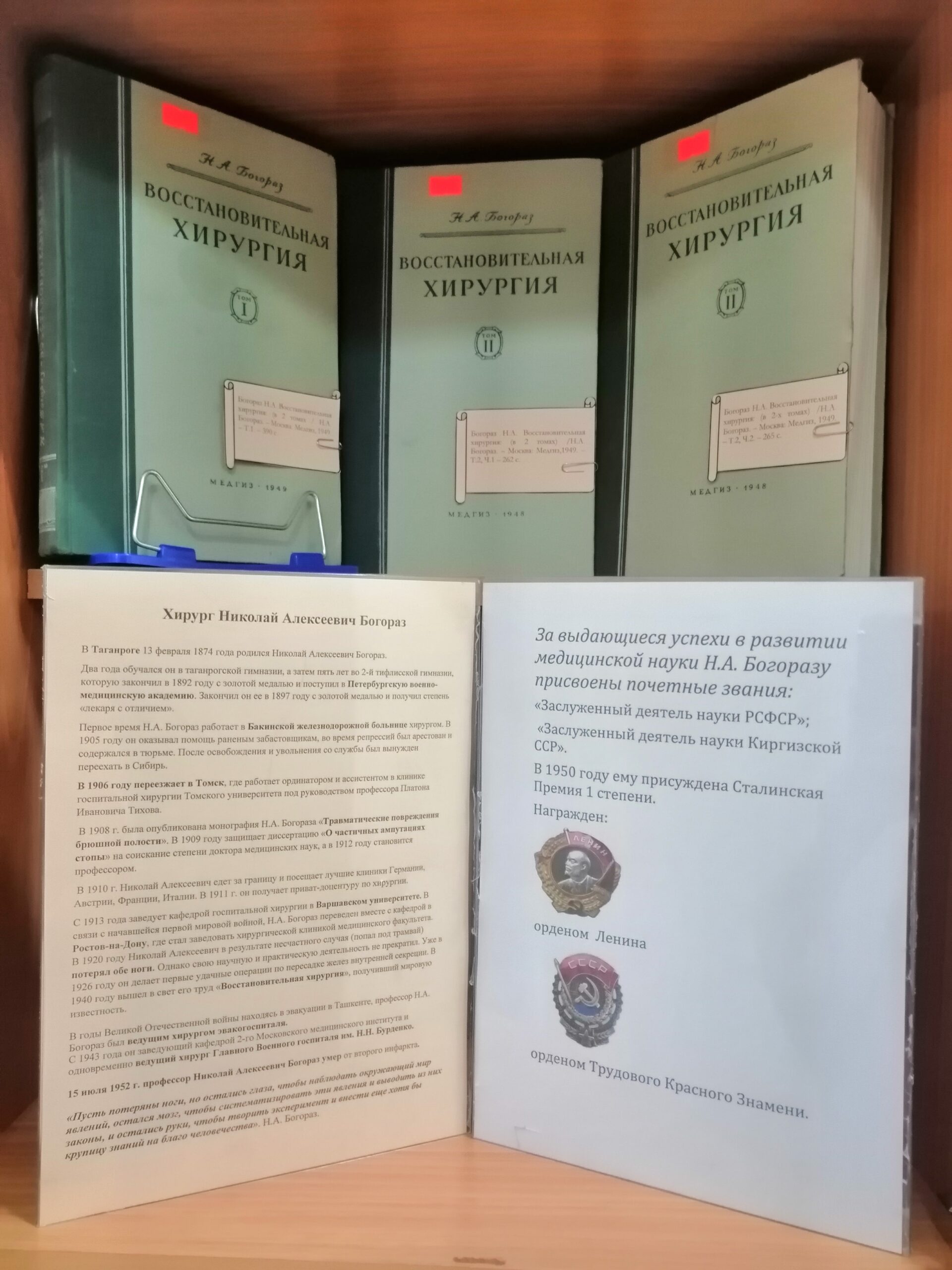
In 1940, his work “ was publishedReconstructive surgery“, which has gained worldwide fame.
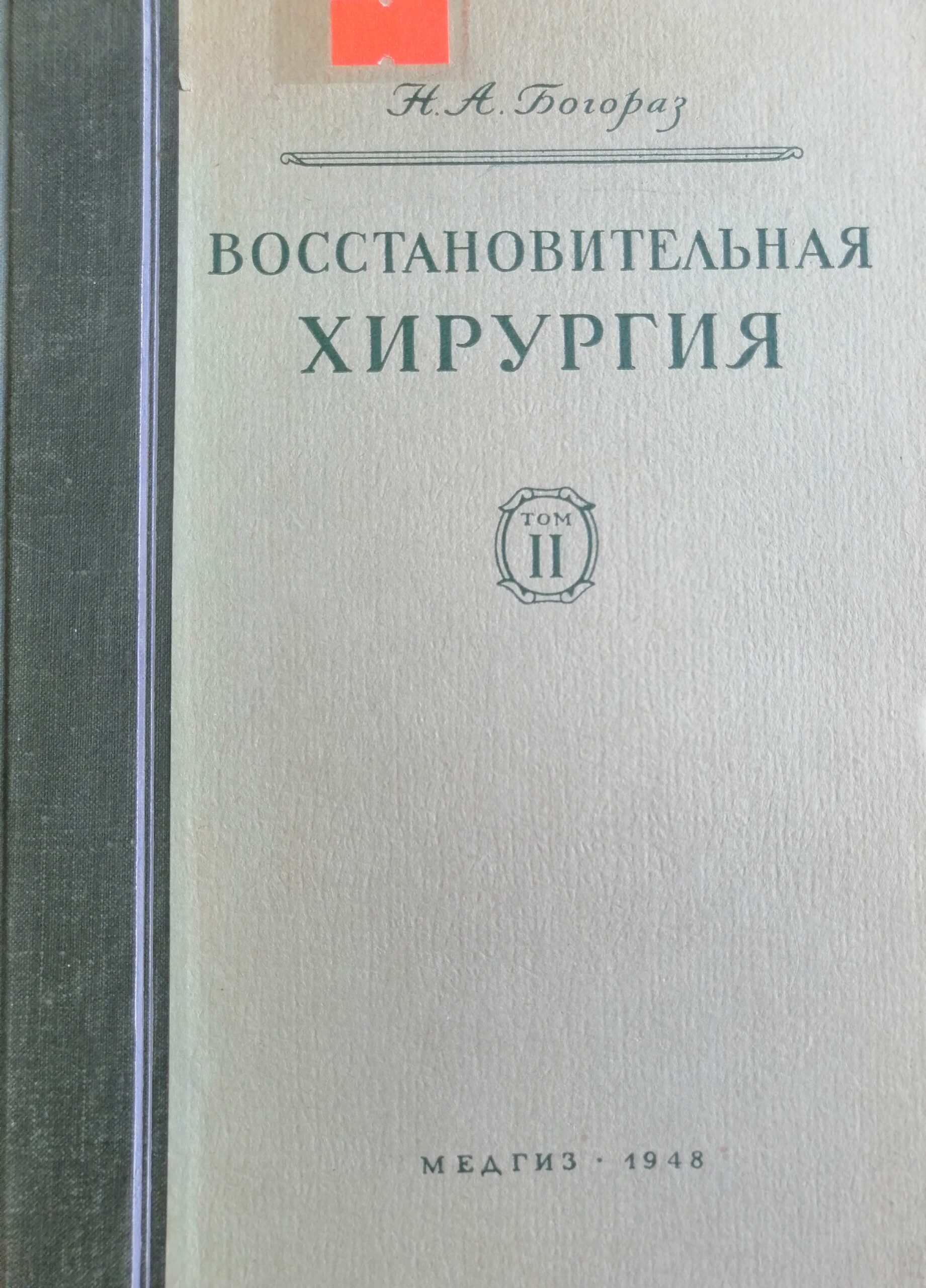
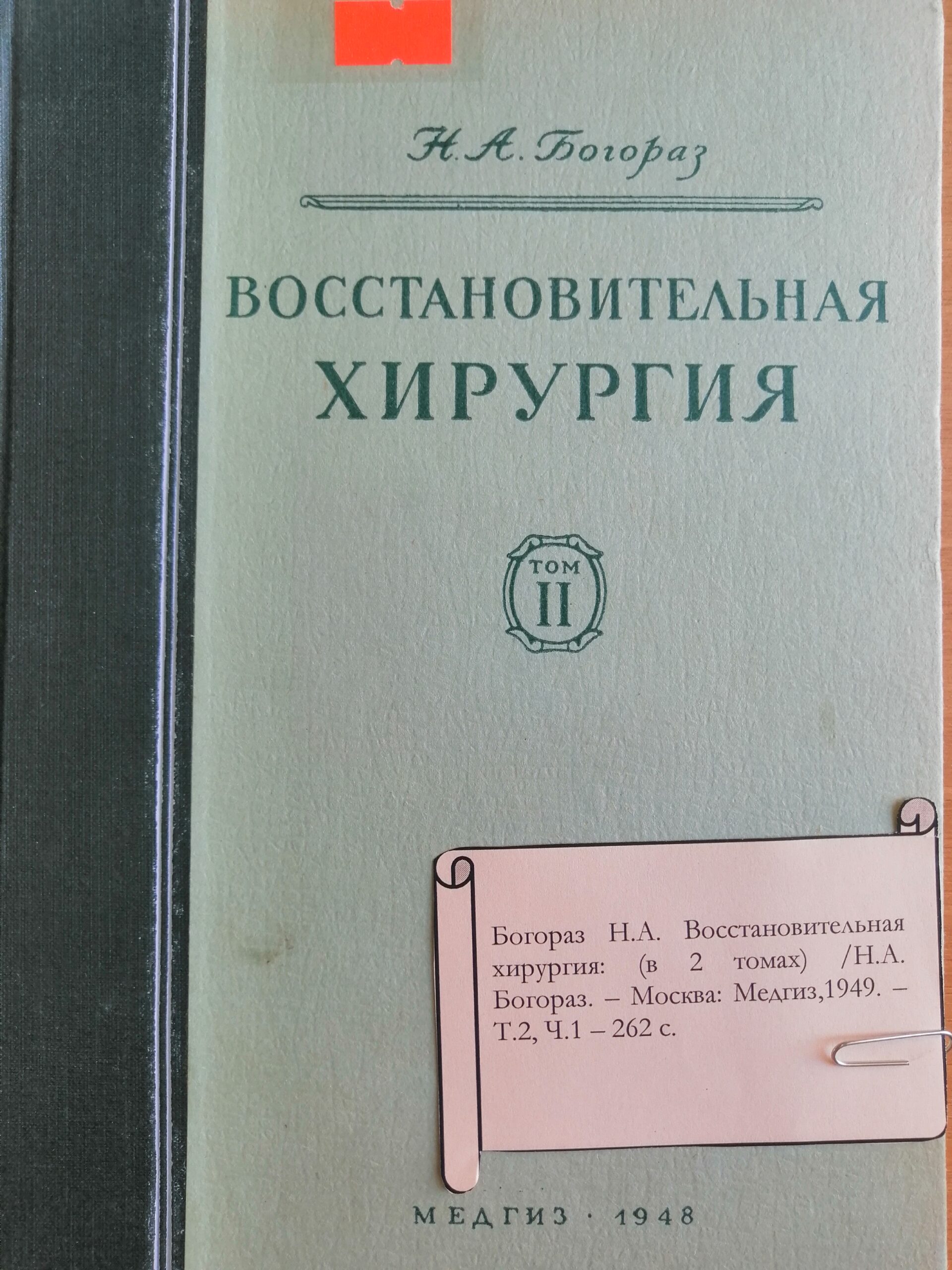
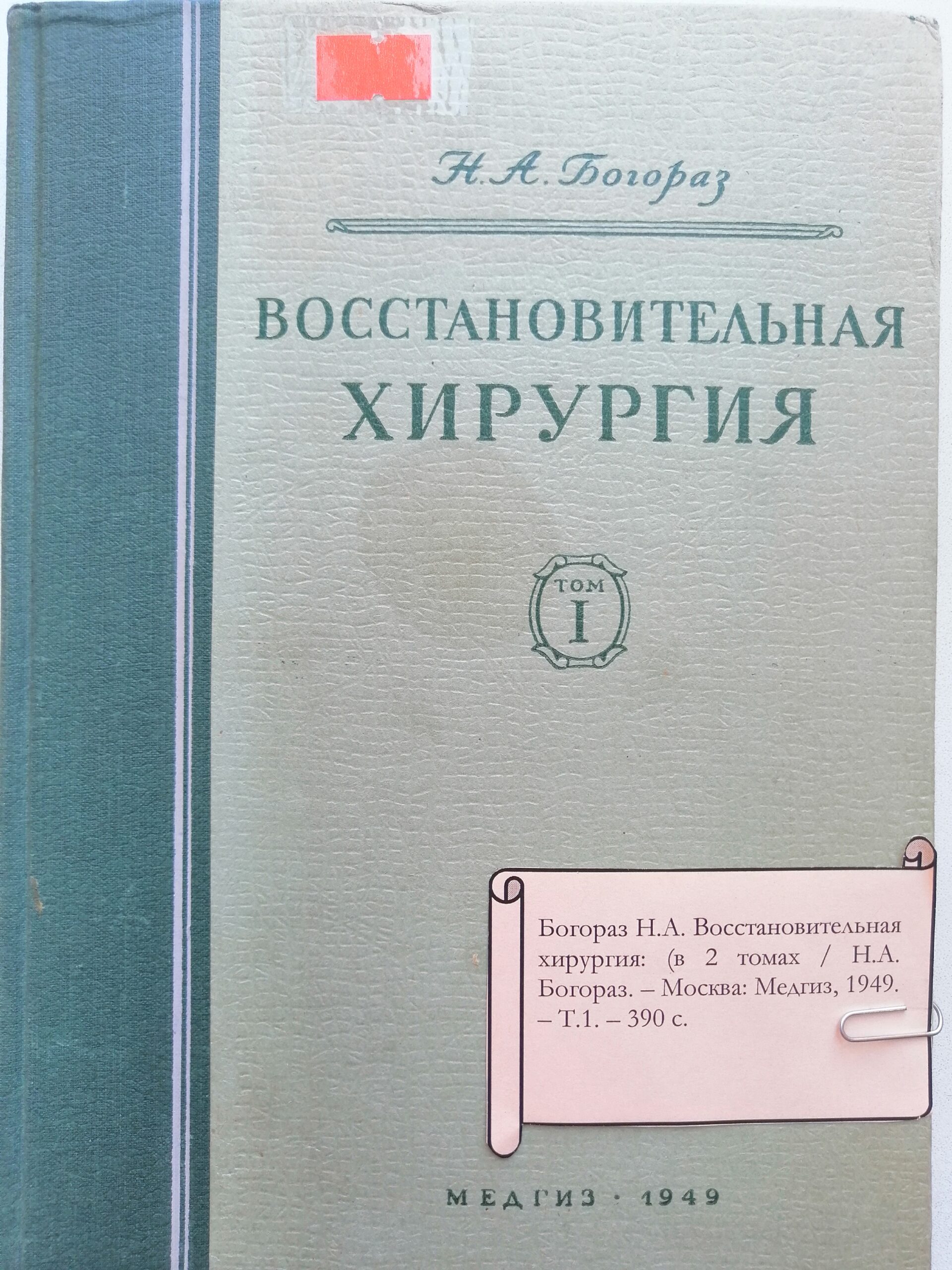
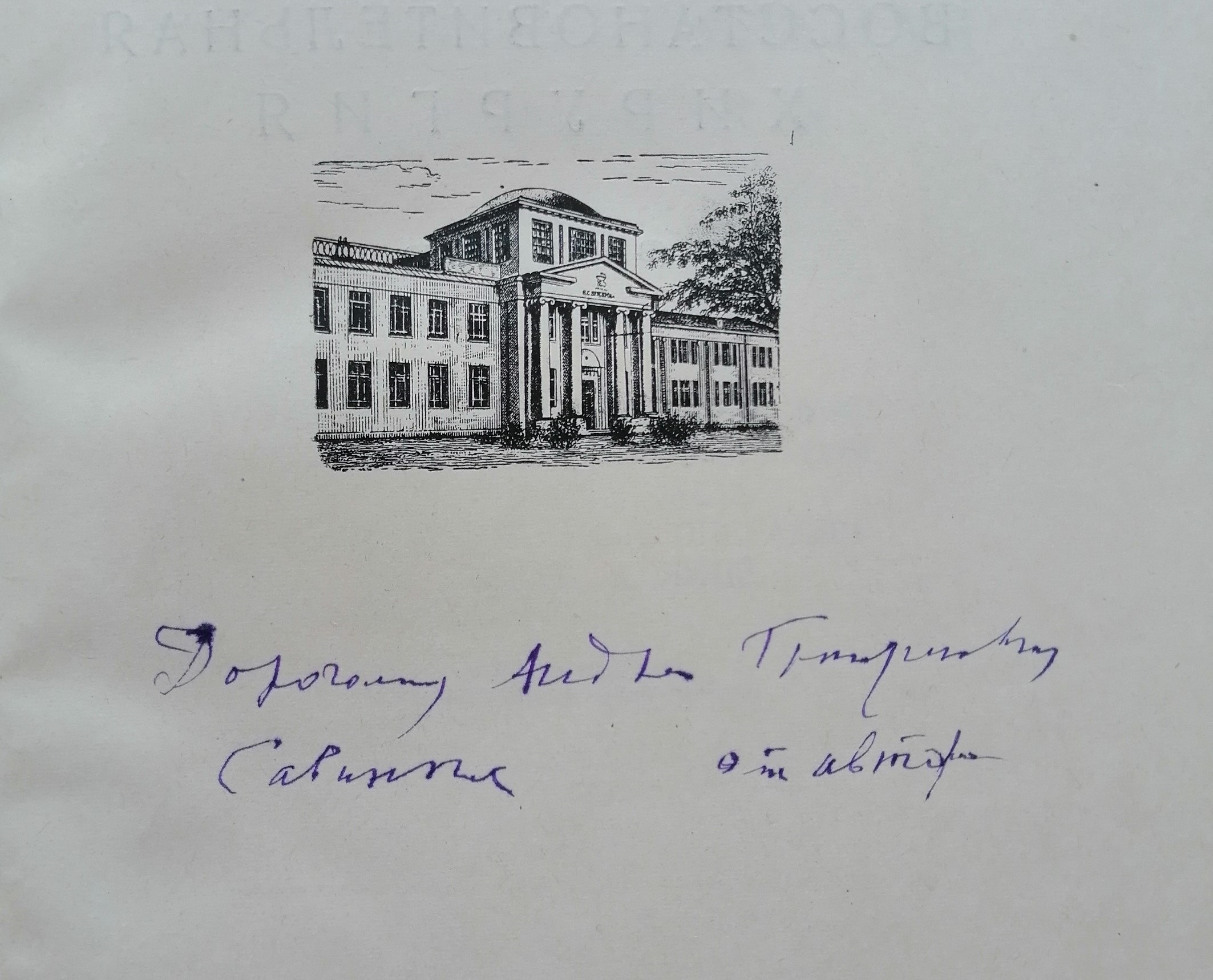
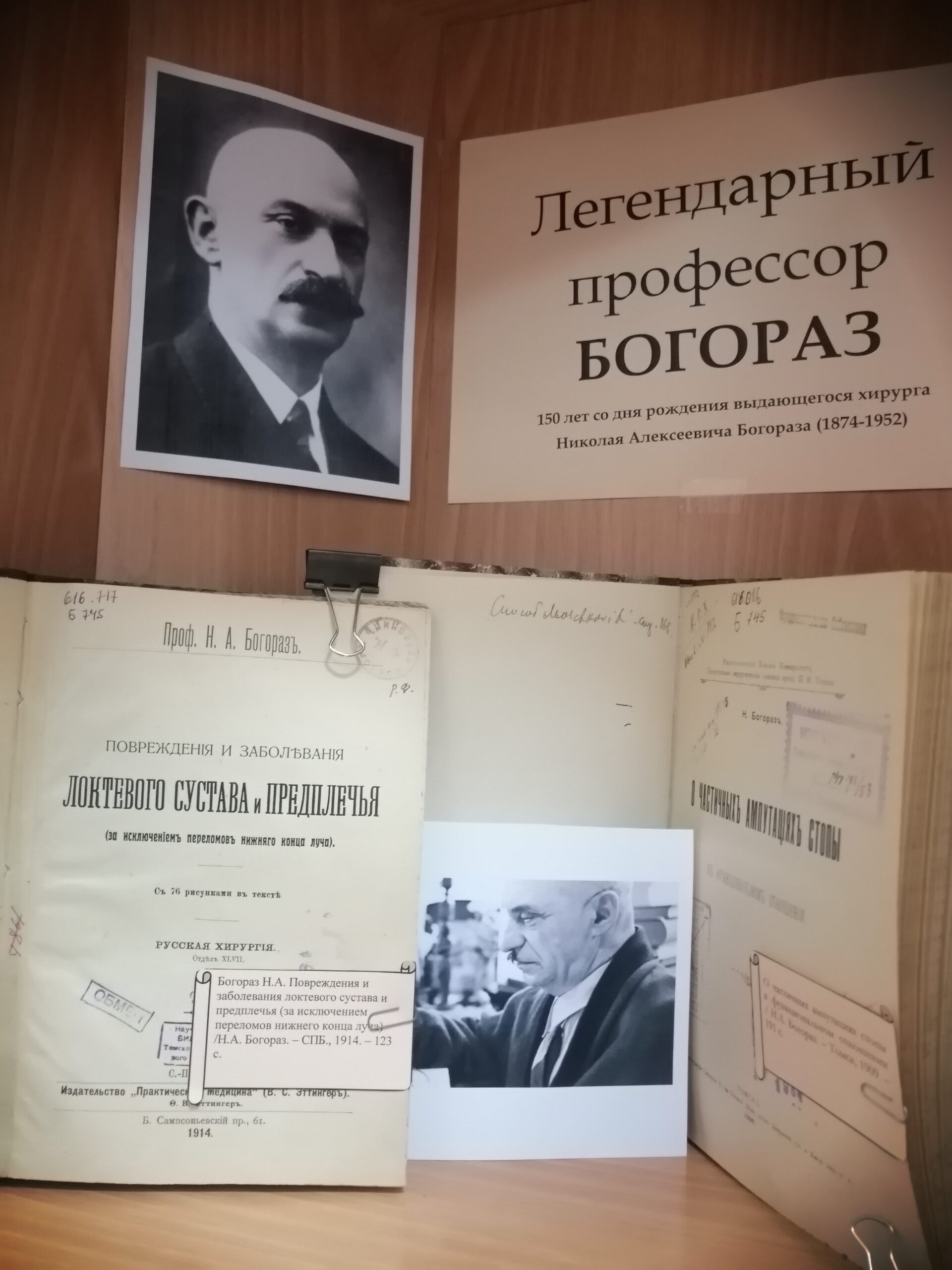
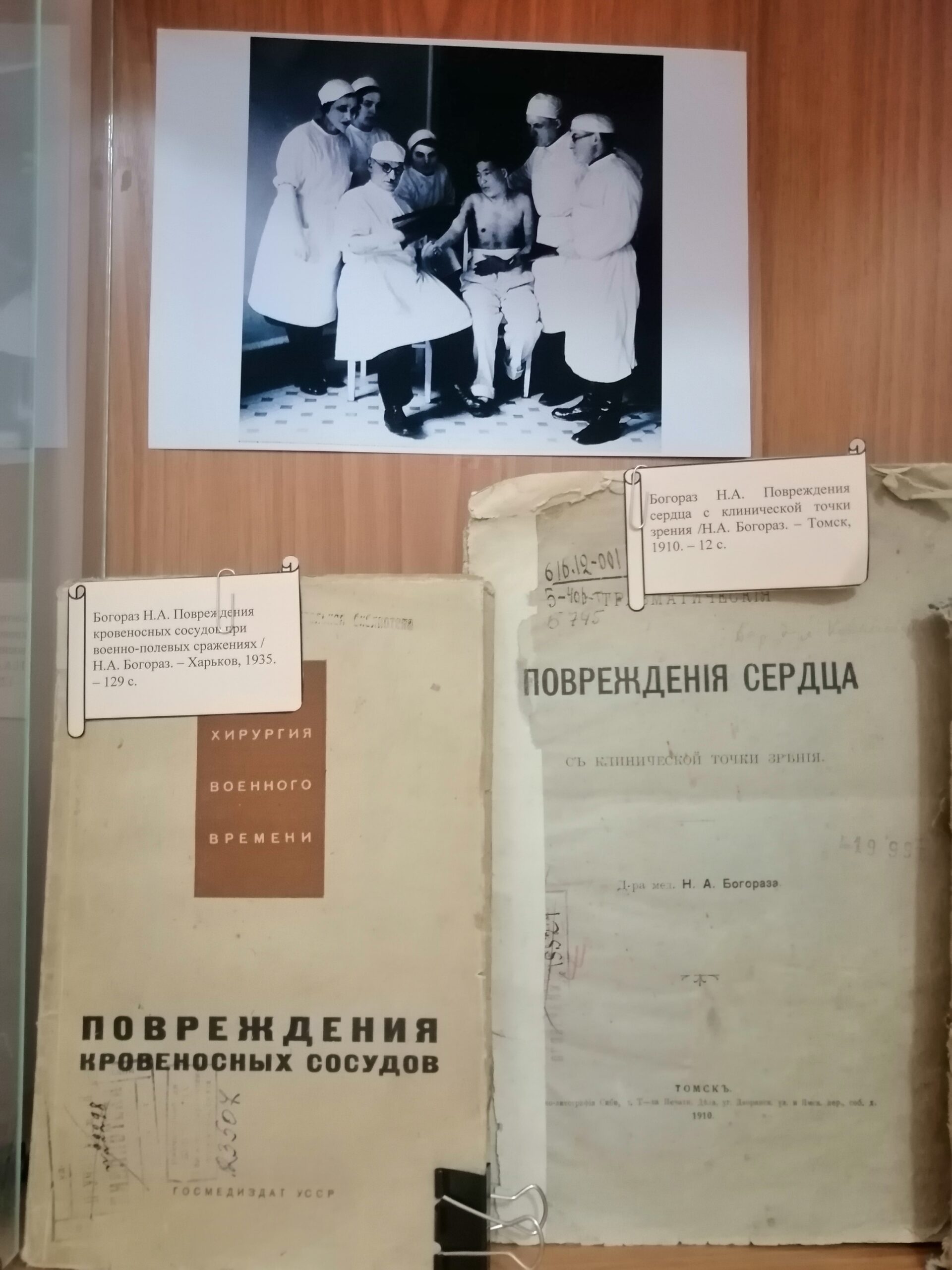
The staff of the scientific library has prepared an exhibition for the 150th anniversary of Bogoraz Nikolay Alekseevich. It presents unique publications from a rare collection, as well as a monograph by N.A. Bogoraza with his autograph presented to the professor of the Department of Hospital Surgery Savinykh to Andrey Grigoryevich.
Sources of information:
Kovalenko P.P., Vaniev I.I.
N. A. Bogoraz: biography of an individual – Moscow : Medicine, 1978. – 56 p. –
(Outstanding figures of Russian medicine and healthcare).
Professors of the Imperial (State) Medical Faculty Tomsk
University – Tomsk Medical Institute – Siberian State University
Medical University 1878-2003 : biographical dictionary : in 2 volumes /
S. F. Fomin [et al.] ; edited by S. F. Fomin. – Tomsk : Tomsk Publishing House
University, 2004 – vol. 2.- 404 p.
*The material was prepared by Kasyanenko M.V., Zakharova G.V., Isaenkova O.A.
![Патология органов желудочно-кишечного тракта / М. В. Завьялова, С. В. Вторушин, И. Л. Пурлик [и др.] ; рец. Е. Ю. Варакута. - 2026](/ebs_news/3.jpg "Патология органов желудочно-кишечного тракта / М. В. Завьялова, С. В. Вторушин, И. Л. Пурлик [и др.] ; рец. Е. Ю. Варакута. - 2026")